What Is a Cloud Kitchen?
What Is a Cloud Kitchen?
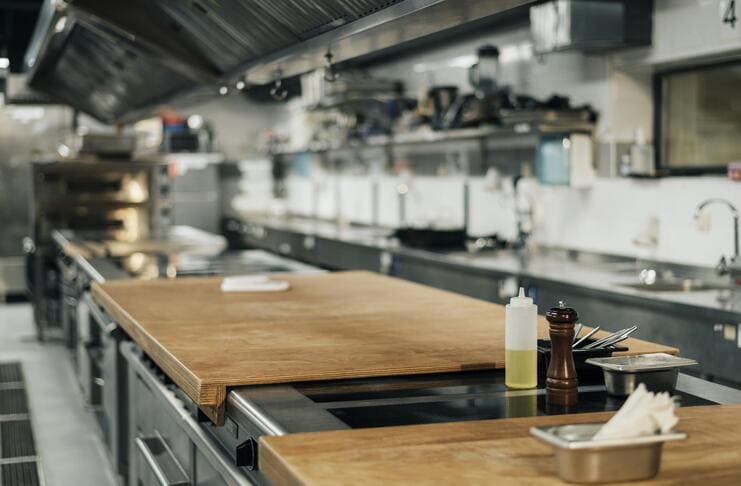
A cloud kitchen is a commercial kitchen where food is prepared and delivered directly to customers. There’s no dine-in area, no seating space, and no need for interiors or waiters. All the orders come through online platforms and mobile apps, and the kitchen focuses only on cooking and delivering the food. That’s why people call it many names such as cloud kitchen, ghost kitchen, virtual kitchen, or dark kitchen. Since it doesn’t require a physical restaurant setup, the cost of running it is far lower. This makes cloud kitchens a popular choice for both new food entrepreneurs and customers looking for affordable meals delivered fast.
The rising demand for food delivery has made the cloud kitchen concept even more relevant. Customers prefer ordering from apps rather than visiting restaurants, and this shift in behaviour has given cloud kitchens a strong push. The model is simple: customers order through an app, the kitchen prepares it, and the delivery partner drops the food at their location. The whole business runs smoothly because everything happens online and there is no pressure of serving people in person.
Characteristics of a Cloud Kitchen
Since cloud kitchens operate without a dining space, their entire focus stays on food preparation and delivery. Customers order through apps or websites, which makes the ordering process smooth and efficient. Because the kitchen doesn’t need serving staff or a decorated dining area, it saves a lot of money and can keep its prices affordable. Many cloud kitchens also run multiple brands from the same space. This helps them use the kitchen more efficiently and target different customer groups at the same time. Technology plays a key role in this model, especially for managing orders, tracking deliveries, keeping food quality consistent, and creating a better customer experience.

How the Cloud Kitchen Business Model Works
The cloud kitchen business model is built around efficient operations and cost reduction. The setup usually includes a central kitchen where all the dishes are prepared. Orders come in through online apps like Swiggy or Zomato, and the team handles only cooking and packaging. Since delivery apps make tracking easy, the kitchen can focus on timely service. Many cloud kitchens also host multiple brands under one roof, which allows them to serve different cuisines using the same equipment.
How Cloud Kitchens Earn Money
Cloud kitchens earn through various channels. They take direct orders through calls, WhatsApp, social media pages, and their website or app. They also receive a bulk of their orders through delivery platforms, which increase their reach. Some cloud kitchens offer monthly meal plans to create steady fixed income. Once a brand becomes popular, it can even take orders for parties, business meetings, and special events. These additional opportunities help the business grow faster.
Operations and Management
Smooth operations are the backbone of a successful cloud kitchen. A well-planned layout helps the team prepare and pack food quickly. Since everything runs online, kitchens use order management software to avoid mistakes and maintain speed. When multiple brands share the same kitchen space, it becomes easier to use resources fully and reduce waste. Data analytics also helps cloud kitchens study customer behaviour, track performance, and make better business decisions based on real demand patterns.
Cloud Kitchen vs Traditional Restaurants
Traditional restaurants spend a lot on dining space, interiors, and service staff. Cloud kitchens avoid these costs completely. With fewer expenses, they can keep their prices low and serve more customers through delivery. They are also easier to expand because all you need is a kitchen setup, not a full restaurant. Traditional restaurants focus on both service and food quality. Cloud kitchens only need to focus on taste and timely delivery, which makes operations simpler and more scalable.
Types of Cloud Kitchens
There are several types of cloud kitchens, each designed for different business needs. Independent cloud kitchens are owned and run by a single brand, which gives complete control over operations and customer experience. In shared cloud kitchens, multiple brands operate from the same space, reducing cost and encouraging collaboration. Third-party cloud kitchens are run by a company that handles all operations while the food entrepreneur focuses only on menu and branding. Hybrid cloud kitchens offer delivery as well as takeaway from a small storefront, giving customers the option to pick up their orders themselves.
Benefits of Starting a Cloud Kitchen
Cloud kitchens come with many advantages. The biggest one is the lower cost of setting up and running the business. There’s no need to rent a prime location or invest in interiors, furniture, or serving staff. Entrepreneurs can start small with limited capital and gradually expand. Cloud kitchens are easy to scale because opening another kitchen requires much less investment than opening a restaurant. Since they work online, they can reach a wider audience and serve customers across large delivery zones. They also get more time to improve their food quality, experiment with their menu, and create a strong identity through taste instead of decor.
Challenges Faced by Cloud Kitchens
Even though the model is attractive, cloud kitchens face tough competition. Since the entry cost is low, many people open cloud kitchens, leading to market saturation. This forces brands to keep prices low to attract customers, which reduces profit margins. Building a strong brand becomes difficult without a physical presence. Cloud kitchens also depend heavily on third-party apps. These apps charge high commissions, and the delivery experience is not fully in the kitchen’s control. Customer satisfaction becomes tricky because everything depends on packaging, speed, and online reviews.

How to Set Up a Cloud Kitchen
Setting up a cloud kitchen starts with proper planning. You need to study the market, understand customer preferences, and analyse your competitors. This research helps you shape your menu and position your brand correctly. Choose a kitchen location that gives you a good delivery radius and quick access to your target audience. A location with reasonable rent can reduce your overheads and improve profitability.
Next, complete all legal requirements such as health permits, licenses, and insurance coverage. After that, design your kitchen layout in a way that supports smooth food preparation and packaging. Invest in reliable equipment, an inventory system, and necessary technology to manage orders. Hire trained staff who can handle pressure and maintain your food quality. Once the kitchen is ready, set up your delivery channels. You can register with third-party delivery apps or build your own website and ordering system.
Marketing plays a big role in making a cloud kitchen successful. Use social media creatively and encourage customers to share feedback. Work with food bloggers and influencers to increase visibility. Offer discounts or combo meals to attract repeat buyers. Above all, maintain strong food quality and packaging because these are the only things customers directly experience from your brand.
In Summary
Cloud kitchens are changing the food industry by offering a low-cost, delivery-focused restaurant model. They are flexible, scalable, and profitable when managed well. Even though they come with competition and operational challenges, the demand for online food delivery keeps rising, making cloud kitchens a strong business opportunity. With the right planning, good food, smart branding, and a strong online presence, anyone can build a successful cloud kitchen that reaches a wide range of customers and grows steadily.
FAQs
What is the concept of a cloud kitchen?
A cloud kitchen is a delivery-only kitchen model where food brands operate without dine-in, focusing completely on online orders.
What are the disadvantages of cloud kitchens?
Disadvantages include high aggregator commissions, strong competition, limited customer interaction, dependency on delivery apps, and challenges in building a loyal audience.
What is a cloud kitchen in India?
A cloud kitchen in India is a delivery-focused commercial kitchen where brands sell food through online platforms without dine-in facilities.
Cloud kitchen near me?
Search delivery platforms or local listings to find active cloud kitchens near you offering online ordering across multiple food categories.
What is a cloud kitchen in business?
A cloud kitchen in business terms is a low-investment model that lets brands run delivery-only operations using shared or independent kitchens.
What is a cloud kitchen and how does it work?
It works by receiving online orders, preparing food in a central kitchen, and delivering through in-house fleets or aggregator partners.
How to start a cloud kitchen from home?
Set up a licensed kitchen, design a menu, register on delivery apps, manage packaging, pricing, branding, and ensure hygiene compliance.